Vadodara, Gujarat
479, Savli GIDC, Manjusar,
Vadodara, Gujarat - 391775 (India)
Welcome to Kshipra Tubes & Pipes
Need Help ?: Call : +91 94280 11155 | +91 98980 55330
479, Savli GIDC, Manjusar,
Vadodara, Gujarat - 391775 (India)
Sunday Holiday
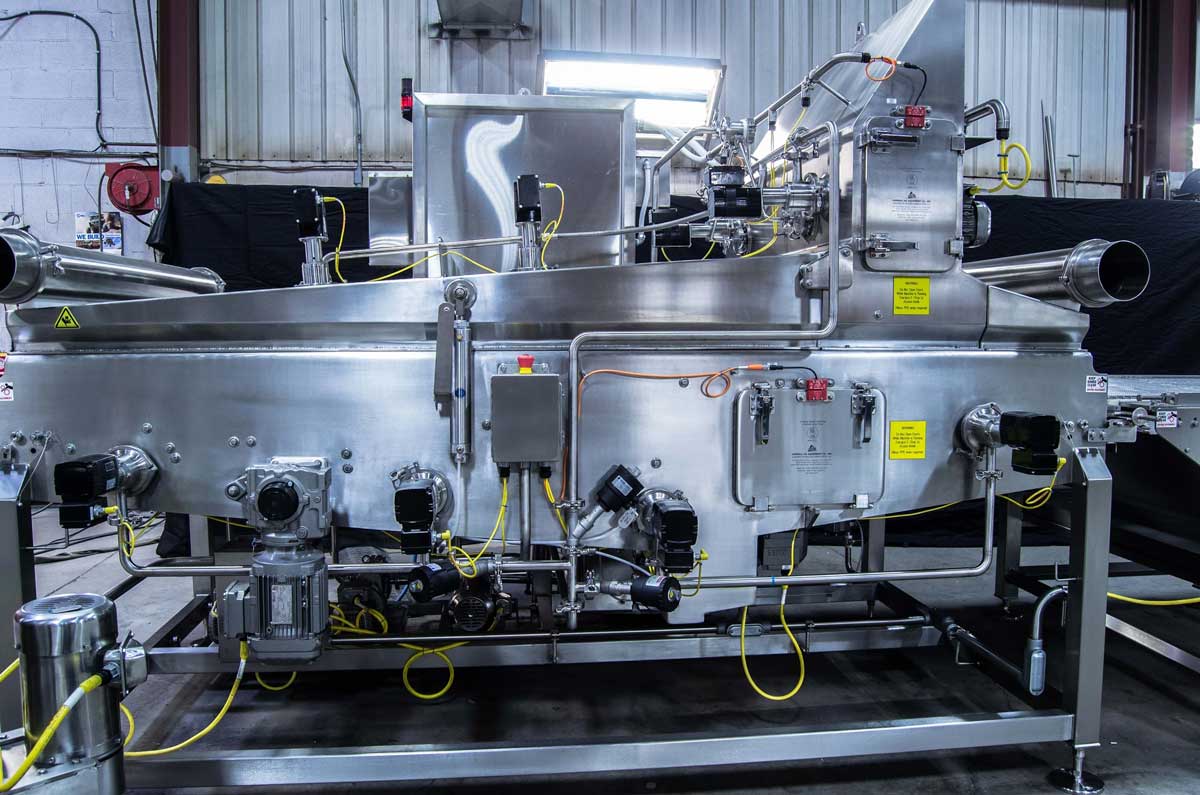
Stainless steel supplier has long been the material of choice in the food and beverage industry due to its superior corrosion resistance and hygienic properties. Within the realm of stainless steel, steel pipe is often used in the food and beverage industry due to its high resistance to corrosion and staining, making it ideal for applications in which cleanliness and hygiene are of paramount importance. One of the key benefits of stainless steel pipe is its resistance to pitting and crevice corrosion. These types of corrosion can occur in environments where bacteria and other microorganisms are present, such as in food processing facilities. Stainless steel's ability to resist these types of corrosion helps to maintain a clean, hygienic environment that is free from contamination.
Another benefit of stainless steel pipe in the food and beverage industry is its ease of cleaning. The smooth, non-porous surface of the material makes it easy to clean and disinfect, reducing the risk of bacterial growth and ensuring a safe and hygienic environment. Additionally, stainless steel is resistant to chemicals such as acids and alkalis, further enhancing its suitability for use in food and beverage applications. In addition to its corrosion resistance and ease of cleaning, stainless steel pipe is also durable and long-lasting. This makes it a cost-effective choice for facilities that require high levels of hygiene and cleanliness, as it will last for many years without requiring frequent replacement or repair.
The role of stainless steel pipe in the food and beverage industry is essential. Its superior corrosion resistance, ease of cleaning, and durability make it the ideal material for use in applications where hygiene and cleanliness are of paramount importance. By choosing stainless steel pipe for your food and beverage application, you can ensure a safe and hygienic environment that meets the highest standard of cleanliness and safety. 304 & 316l commonly used grade of stainless steel, known for its excellent corrosion resistance and strength. However, compared to 316L stainless steel, 304 has a lower molybdenum content, which reduces its resistance to pitting and crevice corrosion. This makes 316L stainless steel a better choice for applications in harsher environments, such as marine and chemical processing.
Applications requiring high-temperature , such as resistance furnace components and exhaust systems, grade 310 stainless steel is a better choice due to its higher chromium and nickel content, which provide excellent resistance to high temperatures. In summary, when considering the use of stainless steel pipes, it's important to understand the differences between the various grades and their suitability for specific applications. While 316L stainless steel offers superior corrosion resistance in harsh environments, other grades may be more suitable for high-temperature or highly corrosive applications.
Ultimately, the choice of stainless steel grade and aluminium plate and stainless steel grade will depend on factors such as the environment, temperature, and budget, and it's important to consult with a professional to ensure that you choose the best option for your needs. However, if you're looking for a reliable and cost-effective option for your piping needs, 316L stainless steel pipe is an excellent choice.
• Density: 8.0 g/cm³
• Electrical Resistivity: 0.74 x10^-6 Ω .m.
• Elongation A50 mm: 40 Min %
• Hardness Brinell: 90 HRB Max.
• Melting Point: 1400 °C.
• Modulus of Elasticity: 193 GPa.
• Proof Stress: 200 Min MPa.
• Tensile Strength: 500 - 700 MPa.